bathroom showers
Why Consider Buying a Fixed Showerhead?
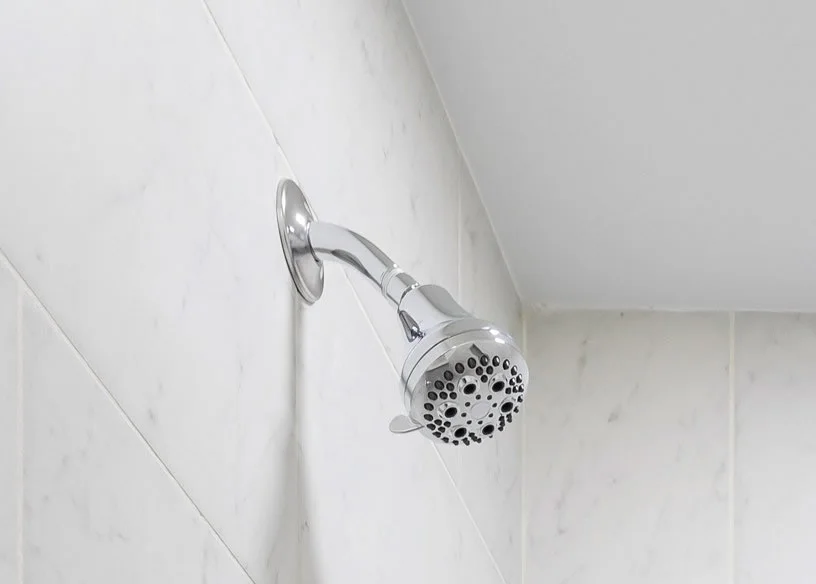
Fixed, wall-mounted showerheads have stayed popular for good reason. They are straightforward, take up very little visual space, and provide the same familiar spray position every time you turn on the water. That makes them a sensible choice for a hall bath, a rental refresh, or a primary bathroom where you want a dependable fixture rather than a complicated system.
A fixed showerhead is not automatically basic. It can be a compact conventional model, a broad rain-style head, or a directional model with several spray settings. The key is to match its size, spray pattern, and flow rating to the room and the household. Before shopping, spend a few days noticing what you like and dislike about the shower you already have: where the water lands, whether it is easy to clean, and whether its pressure feels adequate.
Why a fixed showerhead is often the practical choice
The most obvious benefit is stability. A fixed head attaches to the shower arm or, in some installations, the ceiling, so there is no hose to manage or dock after use. Once it is adjusted, the spray stays where you expect it. For a household that prefers a simple routine, that predictability is more valuable than it sounds. It also keeps the shower wall less cluttered, which can make a compact enclosure feel calmer.
There are fewer moving parts than in a handheld unit or a shower panel, so there are fewer places for a connection to loosen over time. That does not mean a fixed model is maintenance-free, but it does make the fixture easier to understand. When the spray changes, the likely causes are usually mineral buildup, a clogged screen, or a supply issue—not a complicated mechanism hidden in the wall.
Fixed heads also offer a wide range of looks. A small round head can disappear into a traditional bath; a slim square head can suit a more contemporary room. Choose a finish that works with the other visible fixtures, but prioritize a shape you can comfortably clean. An oversized rain head may look dramatic, for example, but it needs enough clearance and a spray angle that will not leave water outside the enclosure.
Fit the head to your water pressure and shower layout
Water pressure and water flow are related but not identical, and a large spray face does not guarantee a stronger shower. If the existing shower feels weak, test the basics before assuming a new head will solve it. Check whether the problem affects other fixtures, whether the shutoff valves are fully open, and whether a removable head or filter screen is visibly scaled. A building-wide or plumbing issue may need a plumber rather than a new fixture.
For a low-pressure bathroom, look closely at the manufacturer’s stated operating range and avoid choosing solely by the largest faceplate. A more focused spray can feel more satisfying than a very wide one that spreads the available water too thinly. If several people use the bathroom, pick a model with a simple adjustment that is easy to understand rather than a dial with many nearly identical settings.
Think about placement, too. A fixed head should send water toward the center of the tub or shower pan, not across the opening. In a shower shared by people of different heights, an adjustable ball joint can offer enough flexibility without adding the complexity of a handheld. If you are renovating, confirm the shower-arm height before selecting a large head; a rain-style head mounted too low can feel awkward.
Efficiency, installation, and everyday care
Water efficiency is worth considering, especially when replacing an older fixture. In the United States, EPA WaterSense-labeled showerheads use no more than 2.0 gallons per minute and are independently certified against performance criteria for spray force and coverage. Local rules can be more restrictive, so check your area and the product label rather than relying on an old fixture’s rating. EPA’s Showerheads guidance explains the program and what the label means.
Most replacement fixed heads screw onto a standard shower arm, but read the instructions before beginning. Protect the finish with a cloth when using pliers, use thread seal tape only where the manufacturer calls for it, and run the water briefly to check for leaks. Do not overtighten: a stubborn connection or a corroded arm is a good reason to pause and call a plumber.
For routine care, wipe the face after cleaning the shower and remove mineral deposits before they harden. If the manufacturer permits it, a removable head can be soaked according to its care instructions; avoid harsh abrasives that can damage finishes or spray nozzles. A head that suddenly sprays sideways may simply need its rubber nozzles rubbed clean, while a persistent reduction in flow deserves a check of the screen and the rest of the plumbing.
Common buying mistakes to avoid
Do not choose only by finish or by a photo. Check the shower arm, the enclosure size, the flow rating, and the return policy. Also avoid assuming that a rain-style fixture will create a spa experience in every bathroom; it can be lovely, but it is best when the plumbing and mounting height support it. A model that complements your existing water conditions is usually the more satisfying purchase.
Finally, consider who uses the shower. A fixed showerhead is an excellent everyday choice, but a handheld can be more convenient for rinsing the enclosure, bathing children or pets, or assisting someone with limited mobility. In some homes, a fixed-and-handheld combination is the best compromise. For a broader comparison of those options, see our guide to choosing a showerhead.